
My friend and neighbour gave birth a few days ago and for the first time the baby bug has bitten again. For the longest time I have been at one baby is enough, but after seeing the angelic face on that boy, I wanted one of my own. But lest I forget all the responsibilities that come with training the little one, I guess I will have baby Leo as my 2nd born for a while. As we were talking with the mum, we realised that lots of first time mums, have little information on what foods to eat to increase milk or what to drink for that matter. So our article for today is on foods and drinks for milk supply.
NB. Choose foods rich in iron, protein and calcium During breast- feeding, make an extra effort to ensure that your diet includes plenty of these nutrients.
Good sources of iron include dried beans and peas, lentils, enriched cereals, whole-grain products, dark leafy green vegetables, and dried fruit. To help your body absorb iron, eat iron-rich foods in combination with foods high in vitamin C, such as strawberries, citrus fruits, sweet bell peppers(coloured hoho) or tomatoes.
Instead of looking for Tofu and other foods that are not indigenously African, how about some foods in your kitchen that will help?
Food
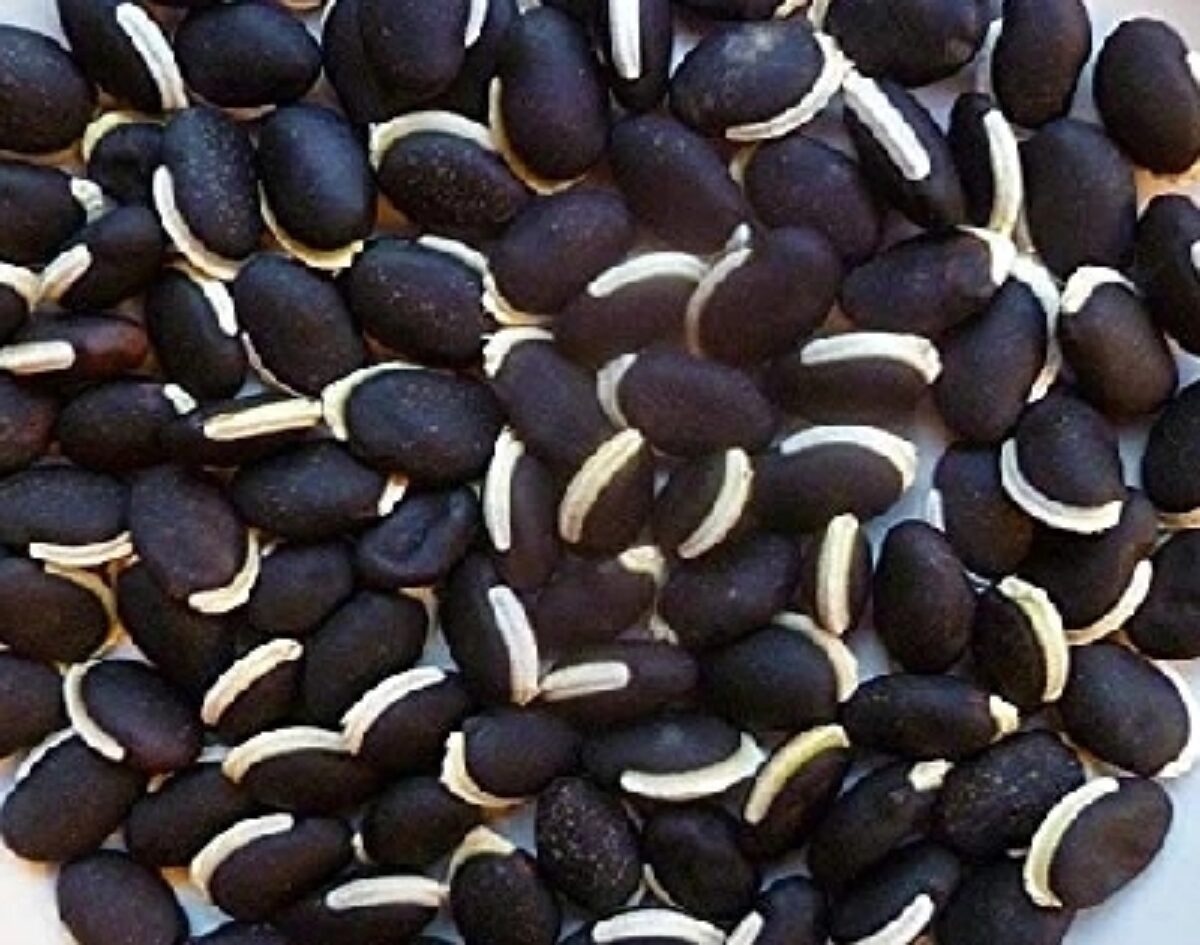
When we give birth, our parent and grand parents send traditionally prepared food that help with milk productions, one such food is Njahi (google calls them- Black Njahi Kenyan beans =) ) but you can also search turtle beans. They are rich in fiber, which helps in lowering cholesterol.
Njahi can provide ample iron to the body. This is wanted especially in case of menstruating women, who are at the risk of iron deficiency. Unlike red meat, which is another a good source of iron; Njahi are low in calories and fat-free. Due to their rich iron content, they are also very good for pregnant women, growing children and adolescents

Prep tips.
- Beans need to be soaked in water for some hours before cooking. Soaking shortens the cooking time and also makes them easy to digest. Presoaking also helps prevent flatulence or gas
- You can soak the beans in two ways. One of them is to cook the beans for two minutes in ample water and then allow them to stand for two hours. The other method is to soak the beans in cold water for eight hours or even overnight and keep in the refrigerator, to prevent them from fermenting.
- Before cooking black beans, make sure that you drain off the water and clean the beans once again under cold running water.
 Kamade or lentils of you will is considered as one of the worlds healthiest foods, not only will it help with milk production but it helps with weight loss. Although lentils include all these beneficial nutrients like fiber, protein, minerals and vitamins, they are still low in calories and contain virtually no fat. One cup of cooked lentils only contains about 230 calories, but still leaves you feeling full and satisfied.
Just like Njahi, it is advisable to soak them before cooking; they take a way shorter time to cook though.
Red vegetables: Carrots, sweet potatoes and beets for example are high in beta-carotene, which is beneficial for your baby if you are breastfeeding. Beets and sweet potatoes are high in iron and help to maintain the liver. Carrot seeds have been known to improve milk supply. You can include them in salads, soups, porridges, meat dishes or desserts
 Green and Gourd Vegetables: Vegetables from the gourd family are a traditional way to improve milk supply. Not only are these vegetables nutritious, they are also easy to digest. Green vegetables like beans, spinach, beet leaves and asparagus are an excellent source of minerals and vitamins as well as phytoestrogen, which is believed to enhance lactation. Cook these vegetables with spices or make sweet snacks.
Drinks
Instead of eating for two, I say drink for two stay hydrated. The first and most important drink is water. Drink 10-12 glasses of water – breast milk is liquid after all so if you do not drink enough, no matter what you eat, you will not be able to produce enough milk. A good way to keep up with your liquid intake is to drink a glass of water every time you feed your baby.
Moringa– I never knew about moringa until I gave birth and needed to boost my breast milk. I know a couple of women who sell it cheaper than in the supermarkets. It is like a miracle plant this moringa. The best way to take it is mixing it in food so it is masked in the taste or if you can stand it, just make moringa tea. I used to mix it with my hibiscus tea. – Enough mums swear by this one here.
 Bone soup– good old bone soup, we have all heard it helps. Try and see for yourself.
Fermented porridge– if you can’t get the fermented one from your grandma, then homemade will do just fine.
Hibiscus Tea– it is rich in iron and so helps with milk production. Get a packet from the supermarket and watch your milk supply shoot.
Fenugreek Seeds: these have been used for ages to increase breast milk supply and now there is research to back this ancient belief. Some doctors say that if you include fenugreek in your diet, you will have an increased supply of milk within a week. Besides, fenugreek seeds are a great source of iron, calcium, vitamins and minerals. But be careful not to consume too much as it is a mild dieuretic and you may end up losing a lot of water.
Other seeds that increase milk supply include: Dill seeds, fennel seeds, cumin seeds, black sesame seeds, holy basil. All this can be gotten from the supermarket. I know Nakumatt has on the spices section.
How to prep seeds:
Soak them in hot water for about 20 minutes.
After they have soaked up, bring them up to the boil.
Sieve add sugar of honey to sweeten.
If the taste or smell is unbearable, add a scented drink like vanilla or hibiscus
Snacks
Nuts: Almonds and cashews are said to be the nuts that aid breastfeeding. They make an excellent snack and are best consumed raw. You can also add them to sweet and savoury dishes to boost their flavour.
Oats : Oats are a great source of iron, calcium and fibre and are popular with nursing mums. They are commonly eaten as porridge and you may choose to add nuts, milk, spices or fruits to improve its nutritional value.
Sugar cane: my mum told me that her mum gave her sugar cane and so she also gave me sugar cane and it helped.
Other women have mentioned these foods to help with milk production: Horlicks, Cocoa, Milo, Garlic.
What foods helped you?
Additional Facts:
http://lifestyle.iloveindia.com/
Machocho Kilalama- facebook