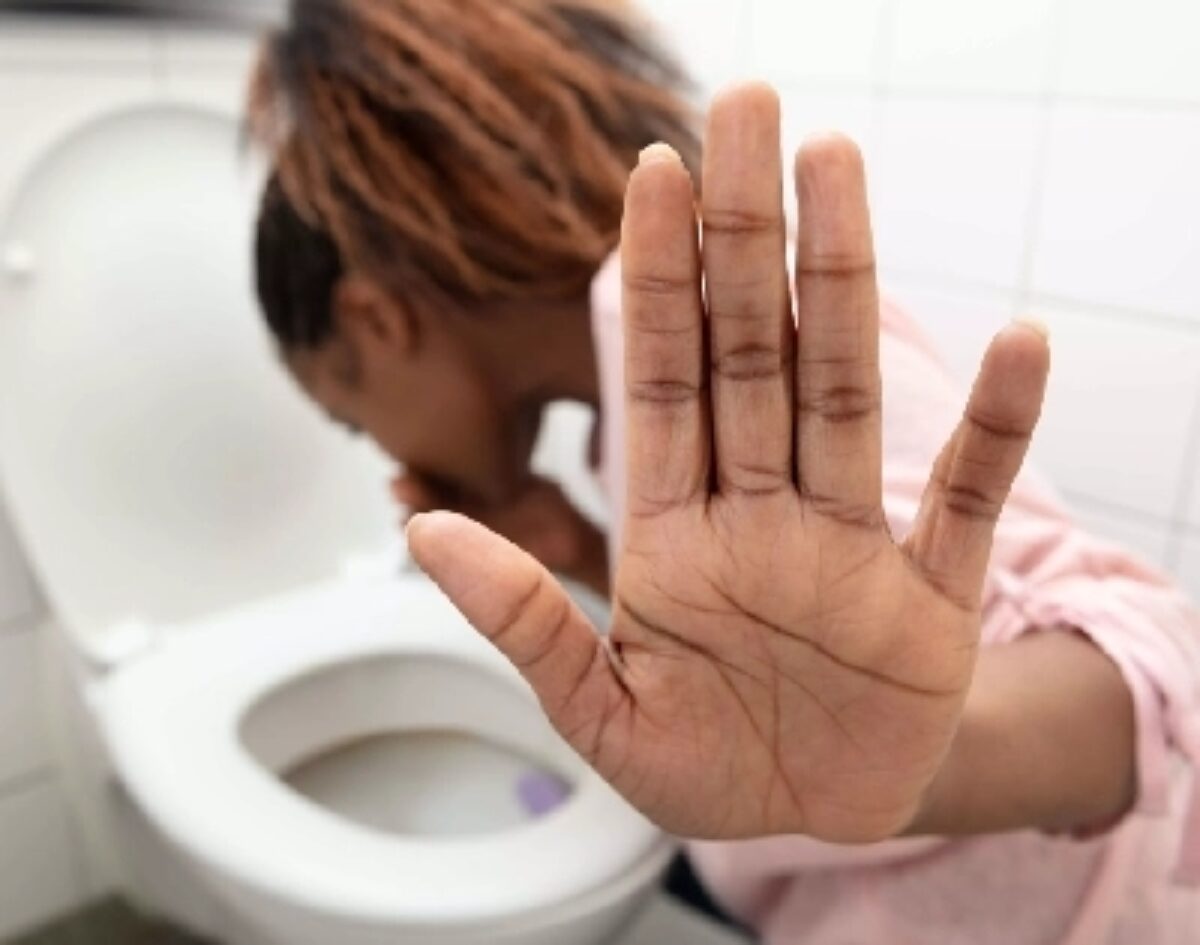

Morning sickness is most likely the cause of your nausea, but as you know all too well, the name is somewhat misleading since it can occur at any time and last all day.
If it’s any consolation, know that up to 80 percent of women feel nauseated at some point in their pregnancy, especially in the first trimester.
Most experts believe that morning sickness is due to skyrocketing levels of the hormones oestrogen and human chorionic gonadotropin (hCG) in early pregnancy. Even bouts of constipation (a common pregnancy complaint) can trigger nausea.
The good news is that even though you feel lousy, morning sickness can be a sign that your baby is doing well, since it indicates increasing levels of important pregnancy hormones. (But on the flip side, some women get it worse than others, and a lack of morning sickness doesn’t automatically mean that something is wrong with your baby.)
So what can you do about morning sickness?
- Eat small meals throughout the day, since going too long without eating can make symptoms worse. Keep a stash of saltines or nuts with you to eat on throughout the day when your stomach starts to feel empty.
- Avoid spicy, fatty foods (and especially fast food). Also steer clear of spicy, acidic, and fried foods, which can irritate your digestive system. It might help to stick to bland foods.
- Steer clear of odours that trigger nausea, like the aromas produced by cooking protein-rich foods such as red meat, chicken, fish and onions.
- Try natural remedies like ginger (ginger has been a nausea remedy for centuries)
- You can also try carrying a tube of peppermint or lemon hand lotion and sniffing it when you feel a wave of nausea, since the fragrance has been found to settle the stomach.
- Pop in some mint sweets or flavour your water with lemons and drink it through the day as well.
- Avoid lying down after eating (especially on your left side), as this can slow digestion
- Getting up slowly in the morning—sitting on the bed for a few minutes rather than jumping right up—may also be helpful.
- Try to eat food cold or at room temperature, because food tends to have a stronger aroma when it’s hot.
- Brush your teeth and rinse out your mouth after eating.
- Try drinking fluids mostly between meals. You might find cold, carbonated beverages easiest to keep down. (Some women also find sour drinks, such as lemonade, easier to handle.)
- Don’t drink so much at one time that your stomach feels full, as that will make you less hungry for food. A good strategy is to sip fluids throughout the day. Try using a straw if sipping isn’t going well.
- Aim to drink about a 1.5 litters each day. If you’ve been vomiting a lot, try a sports drink that contains glucose, salt, and potassium to replace lost electrolytes.
- Watch for non-food triggers, too. A warm or stuffy room, the smell of heavy perfume, a car ride, or even certain visual stimuli, like flickering lights, might trigger your nausea. So might changing positions too quickly. Avoidance of triggers can become an important part of your treatment.
Although you may feel totally sidelined by nausea, it’s very likely that you’ll feel better soon. Most women notice a big improvement in their symptoms between weeks 12 and 14, and even the most severe cases generally subside by week 20. Of course, if at any point you vomit blood, can’t keep down fluids at all, or show signs of dehydration (like dark-colored urine, dizziness, or a pounding or racing heart) then give your doctor a call.
There are a number of factors that may make you more likely to experience nausea and vomiting in pregnancy. These include the following:
- If you are having a female baby.
- If this is your first pregnancy.
- If you have had – or your mother or sister has had – nausea and vomiting in previous pregnancies.
- If you are having twins or another multiple pregnancy.
- If you have a history of motion sickness.
- If you have a history of migraines.
- If you have experienced nausea when taking the combined oral contraceptive pill.
- If you are stressed or anxious about something.
- If you are obese.
- If you are a younger woman.
Not to worry: The baby gets nourishment from your body’s reserves even though you may not eat well when you are vomiting. The effort of retching and vomiting does not harm your baby. In fact, some studies have shown that having sickness and vomiting in early pregnancy is a good indication that your pregnancy is healthy and will have a successful outcome.
Additional facts:
http://www.babycenter.com/